
DisinfoDocket 3 June
DisinfoDocket curates influence operations-related academic research, news, events and job opportunities.

Hi! I'm Kate and welcome to DisinfoDocket. DisinfoDocket curates influence operations-related academic research, news, events and job opportunities.
Did you know that DisinfoDocket takes requests? If you have suggestions or relevant work that you'd like to see included, simply reply to this email and send us the details!
💡
Don't miss -
* European election monitor dismisses rumours of fraud in Colombia’s election
* Misinformation, porous borders and aid cuts challenge Ebola's frontline workers
* Climate scientists say heatwave misinformation is fuelling online harassment
* European election monitor dismisses rumours of fraud in Colombia’s election
* Misinformation, porous borders and aid cuts challenge Ebola's frontline workers
* Climate scientists say heatwave misinformation is fuelling online harassment

Highlights
Cybersecurity is still too often discussed as if it begins and ends with hackers, malware and phishing emails. Those threats are real, but they represent only part of the risk landscape organisations… | Insiber.com
Cybersecurity is still too often discussed as if it begins and ends with hackers, malware and phishing emails. Those threats are real, but they represent only part of the risk landscape organisations face today. One of the reasons I find the work of the DISARM Foundation so valuable is that it broadens the conversation. The DISARM Framework applies the discipline and structure familiar from cybersecurity frameworks to the increasingly important world of information operations, influence campaigns and disinformation. In doing so, it recognises a reality that many security professionals, journalists and policymakers are beginning to encounter: attacks do not always start with code. Increasingly, they start with narratives. Even phishing itself is a reminder of this. The most successful phishing attacks rarely succeed because of technical sophistication. They succeed because they exploit trust, authority, urgency and human behaviour. The technology is often secondary; the manipulation of people is primary. The same principle applies at a larger scale when organisations, communities or even entire societies become the target of coordinated attempts to shape perceptions, amplify division or erode trust. In such cases the attack surface extends far beyond networks and devices. It includes reputation, decision-making, public confidence and the information environment in which people operate. For boards, risk managers, insurers and cybersecurity leaders, this means that cyber resilience can no longer be viewed solely through a technical lens. Protecting systems remains essential, but protecting trust, cognition and the integrity of information is becoming just as important. The organisations that understand this broader perspective on cyber risk will be better prepared for the challenges that lie ahead. Thank you Julian Neylan for the introduction to the framework.
 View Profile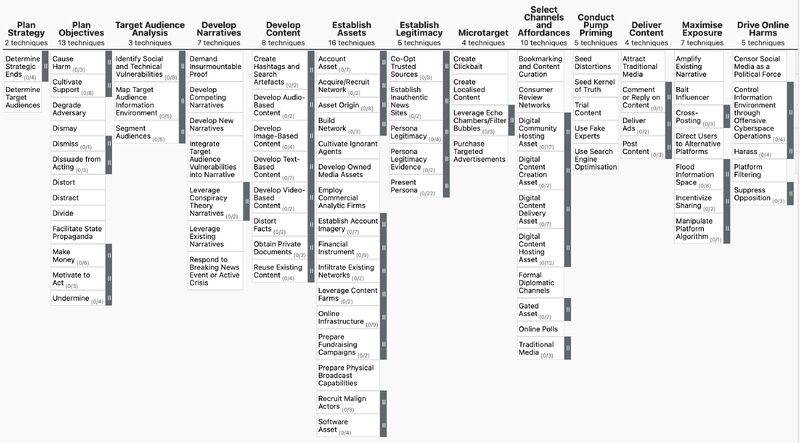
- AI chatbot responses polluted by pro-Russian disinformation (France24, 3 June)
- “London has fallen”: how online disinformation distorts perceptions of safety in the capital (Centre for Information Resilience, 3 June)
- Not regulation. Not even oversight. Trump’s AI order won’t be enough (ASPI, 3 June)
- Dangerous Speech in Disguise: The White House’s New “Aliens” Website Is Not a Joke (Just Security, 1 June)
1. Academia & Research
- In the face of growing AI cyber threats, do middle powers have agency? (Chatham House, 3 June)
- Right-Wing Populism in the Decade Since Brexit (Pew Research Center, 28 May)
- Intuitions about content moderation are misaligned with effective practices for reducing conspiracy beliefs (Nature, 29 May)
2. Platforms & Technology
- Instagram AI chatbot tricked by hackers to give access to others' accounts (BBC, 2 June)
- The Spillover Effects of EU’s Digital Deregulation Agenda (Tech Policy Press, 2 June)
- India’s AI deal with the UAE challenges U.S. cloud dominance (Rest of World, 1 June)